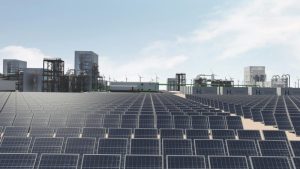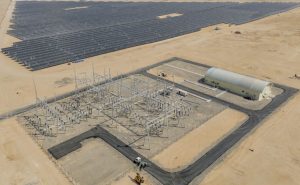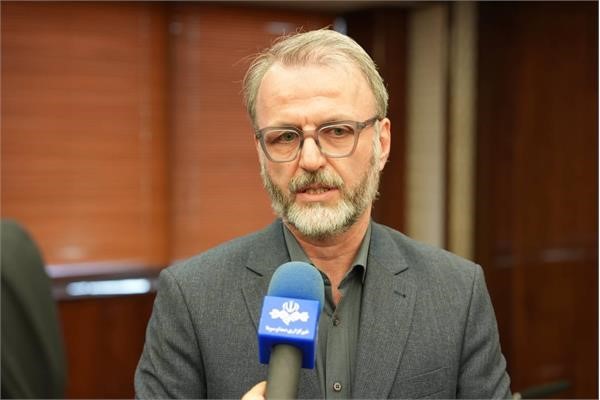
Hamidreza Azimi announced plans to bring 5,000 MW of new renewable power plants online by the end of the year, stating that the financial resources for this initiative are being secured through the National Development Fund and implemented with private sector participation.
He noted that the country’s installed renewable power generation capacity has increased from 1,200 MW to over 2,300 MW over the past year. According to approvals by the Supreme Economic Council, SATBA has been mandated to construct 5,000 MW of solar power plants nationwide using resources from the National Development Fund. In addition, 2,000 MW worth of power plant equipment will be procured and made available to the private sector.
Azimi added that all of these projects will ultimately be transferred to the private sector. So far, approximately USD 500 million in financial resources has been attracted, and part of the required equipment has already been procured and installed in various projects. Some power plants that have already become operational were also equipped through these resources.
He further explained that the equipment provided to private investors and the power plants constructed using National Development Fund resources will be transferred to the private sector after the repayment of obligations. Meanwhile, the private sector is also actively developing new power plants using internal capital and bank facilities.
Emphasizing that issues related to collateral provision have been resolved through approvals by the Economic Council and the government, the Deputy Head of SATBA stated that generated electricity pledges, electricity sales rights, mortgages on created assets, and mortgages on the applicant company’s assets can all be provided as collateral to the National Development Fund. The investment structure consists of 80% funding from the National Development Fund and 20% equity contribution from private investors.
Highlighting the importance of inter-agency cooperation in achieving renewable energy development goals, Azimi stressed that the timely execution of solar power plant projects and the provision of financial resources require the collaboration of all relevant bodies, including the Ministry of Industry, Mine and Trade, the Central Bank, provincial authorities, the Organization of Lands Affairs, power distribution companies, and other institutions. With effective coordination, he stated, it will be possible to bring 5,000 MW of solar power plants online by the end of the year as planned.
Source: Bargh News