Solar Energy in the Region
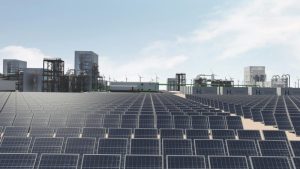
The Middle East is not only one of the regions with the highest levels of solar irradiance in the world, but in some of its countries—such as Iran—this potential is further enhanced by another key natural advantage: high-altitude terrain and the extensive location of large areas on the Central Plateau. Altitude above sea level has a direct impact on the performance of solar energy systems. At higher elevations, atmospheric density is lower, levels of dust and air pollutants are often reduced, and solar radiation reaches the Earth’s surface more directly with less scattering. These factors can lead to a noticeable increase in the efficiency of solar panels.
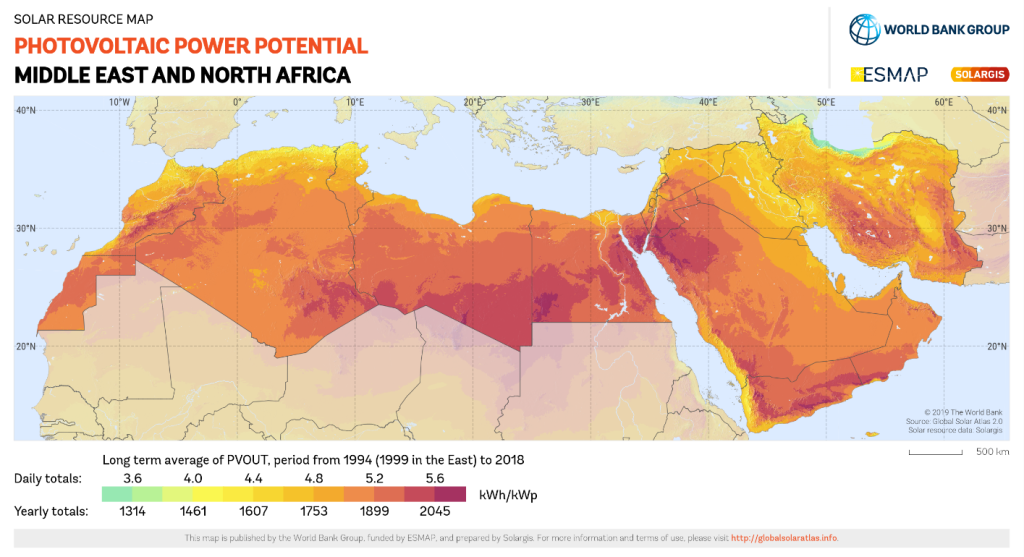
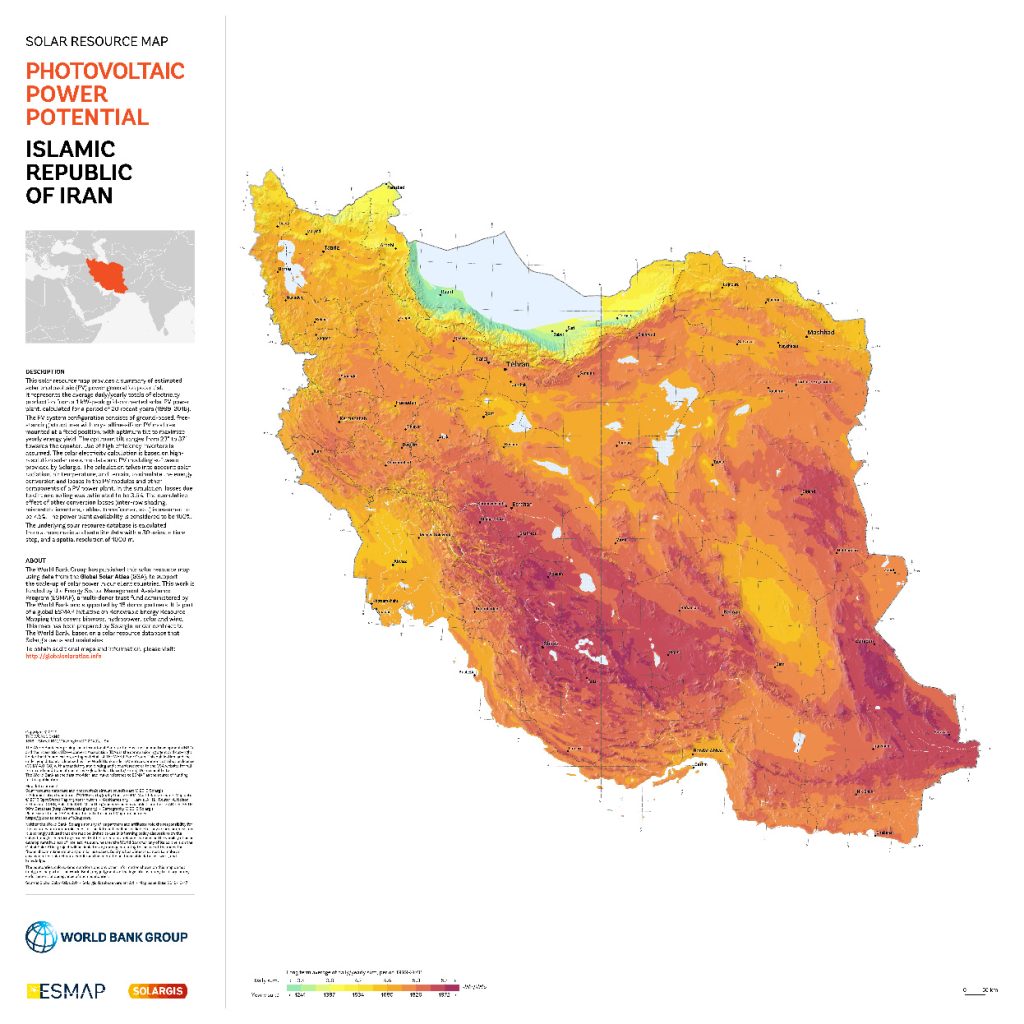
- In this context, Iran stands out as one of the highest-elevation countries in the region and benefits significantly from this natural advantage. Large areas of the country—particularly the Central and Eastern Iranian Plateau—are situated at elevations exceeding 1,000 meters, and in many locations above 1,500 meters above sea level. Provinces such as Yazd, Kerman, Isfahan, Chaharmahal and Bakhtiari, and South Khorasan not only enjoy some of the highest annual sunshine durations in the country, but their high elevations also create ideal conditions for receiving higher-quality solar irradiance. This rare combination of “high solar irradiance + high altitude” elevates Iran’s solar power generation potential well above that of many comparable regions worldwide and can even help mitigate challenges such as excessive heat—which can sometimes reduce panel efficiency in lower-elevation areas.
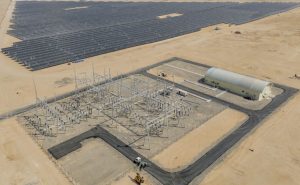
- The United Arab Emirates and Saudi Arabia, through massive investments and the deployment of advanced solar technologies, have become global leaders in the solar energy industry.
- Oman has also taken significant strides in the development of renewable energy by effectively leveraging its solar potential.
This high potential—driven by intense solar irradiance combined with the advantage of high elevation in countries such as Iran—along with declining equipment costs and supportive government policies, has transformed the Middle East into one of the most attractive regions globally for investment in solar energy projects.
Willingness to Work in the Region
Many countries and major global corporations are paying close attention to this region due to the strong economic and environmental potential of solar energy, as well as unique natural advantages such as high solar irradiance and favorable high-altitude climatic conditions—particularly in countries like Iran. In recent years, investment in solar projects across the Middle East has experienced significant growth. This expansion has been driven by several key factors, including:
- Government Support: Many countries have increased investment attractiveness through support schemes like guaranteed power purchase agreements (PPAs), tax exemptions, and financial incentives for renewable energy projects.
- Economic Sustainability: Investment in solar energy offers a path to economic sustainability by reducing electricity production costs and providing independence from fossil fuel resources.
- Increasing Energy Demand: The growing population and rising electricity demand in the region have created a pressing need for new, sustainable energy sources.
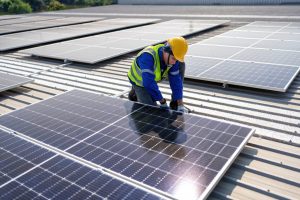
These factors have made the Middle East an attractive destination for both international and regional investors. aSun Energy, with its technical expertise and experience in the field, is ready to collaborate with local clients and partners to implement both large and small-scale solar projects in this growing market.
Opportunities and Future Outlook
Given the growing demand for renewable energy in the Middle East, solar power projects are becoming a strategic priority for countries and foreign investors. aSun Energy, leveraging local expertise, is poised to play a leading role in launching successful solar projects in Iran and other Middle Eastern & Northern Africa countries. With its team of skilled professionals and advanced equipment, the company aims to contribute to sustainable development in the region while enhancing the production of clean energy.