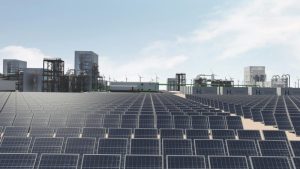
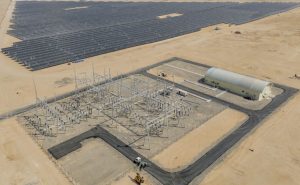
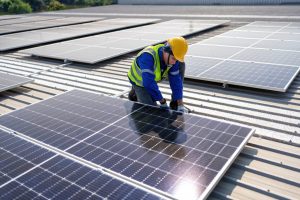
Seyed Mehdi Hosseini stated that, given the importance of developing renewable power plants to address the country’s electricity imbalance and to implement the provisions of the Seventh National Development Plan, another significant step has been taken toward the expansion of clean energy. Under this plan, increasing Iran’s renewable power generation capacity by 12,000 MW during the implementation period of the law has been targeted.
He added that, in a separate resolution by the Cabinet, this renewable energy capacity target has been increased to 30,000 MW. This approach aims to implement major national projects, including the development of solar power plants across the distribution network, completion of the renewable energy value chain, and the realization of economic growth and transformation.
According to Article 42 and Clause (a), Item (1) of Article 46 of the Seventh Development Plan Law, the Ministries of Petroleum, Energy, and Industry, Mine and Trade are obligated to take action to address energy imbalances and increase the share of renewable energy in the country’s electricity supply. In addition, Article 48 of this law provides numerous exemptions and incentives, including tax exemptions, foreign exchange and rial-based financing facilities, and the possibility for projects to be implemented by the private sector as well as domestic and foreign investors.
The implementation of renewable flagship projects, in addition to reducing dependence on fossil fuels, will enhance energy security, reduce environmental pollutants, improve air quality, and lower fuel supply costs. These projects will also create the groundwork for sustainable employment and regional development, particularly in provinces with high solar and wind energy potential.
Source: SATBA