
Intelligent battery charge controller
Solar Controller Charger
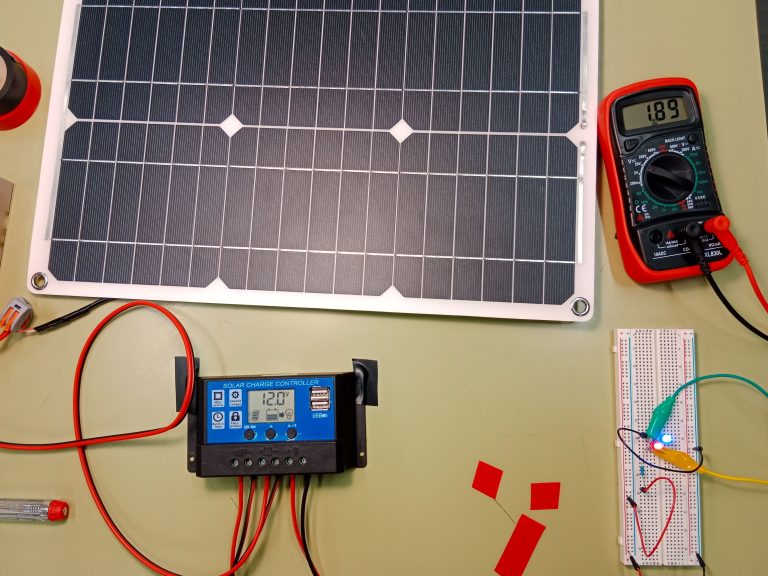
A solar charge controller is an electronic device designed to manage the battery charging process in solar energy systems. It is specifically used in off-grid systems and hybrid systems.
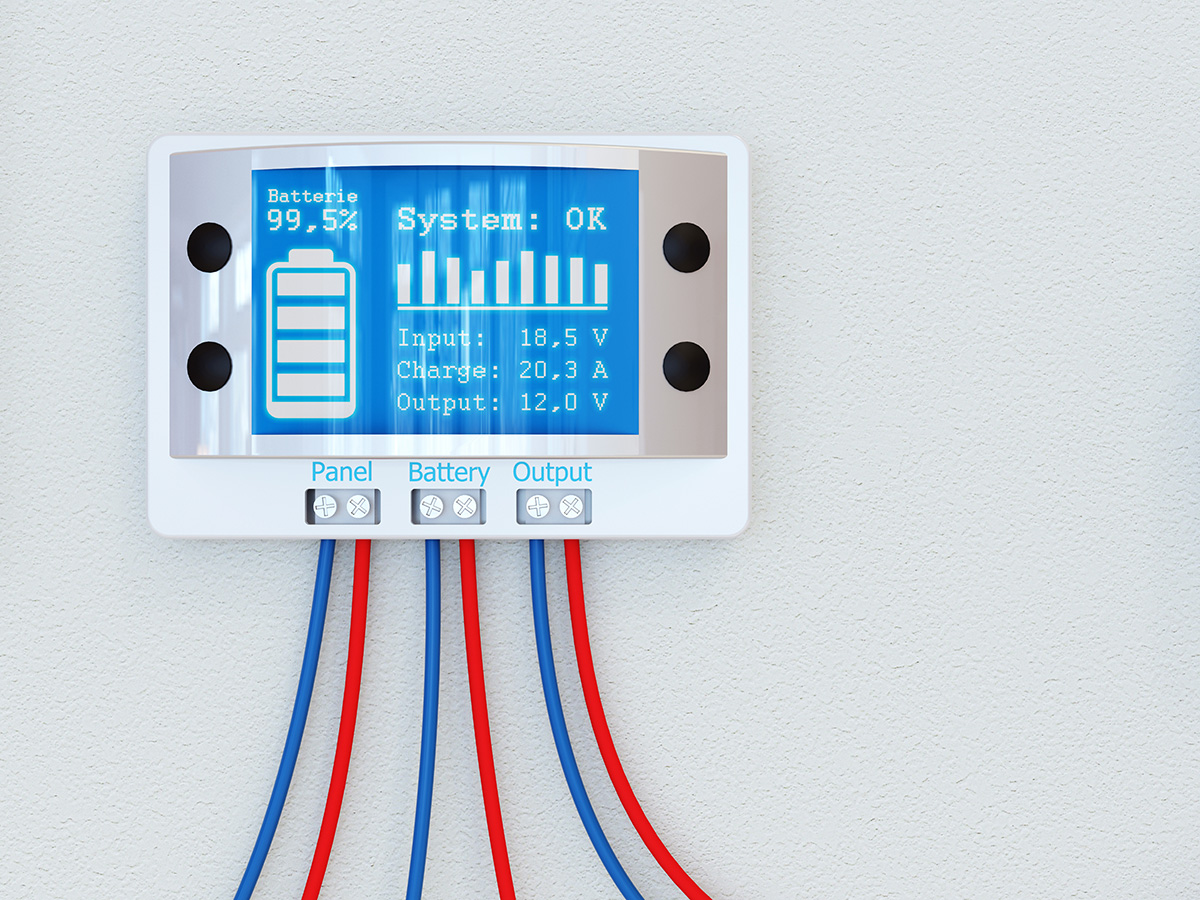
Main Functions of a Charge Controller
Ensures that the voltage and current entering the batteries are within safe limits, helping prevent overcharging or undercharging.
When the batteries reach full charge, the charge controller automatically cuts off the current to prevent damage.
The device helps in the efficient distribution of energy from solar panels to loads and batteries, optimizing the use of generated energy.
The charge controller typically has features to protect batteries from high temperatures, improper voltages, and short circuits.
Many charge controllers come with displays or LEDs showing battery charge status, input and output voltages, and energy production levels.
Types of Charge Controllers
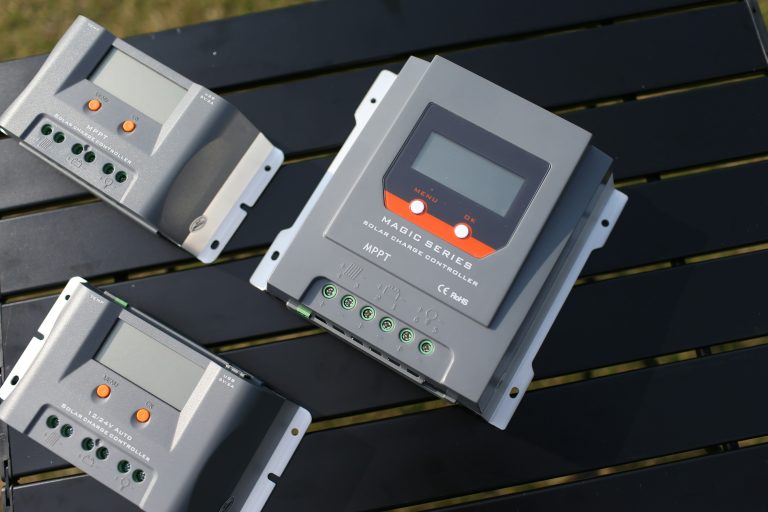
- Pulse Width Modulation (PWM) Charge Controller: This type of controller constantly adjusts voltage and current and is commonly used in small systems due to its simplicity and low cost.
- Maximum Power Point Tracking (MPPT) Charge Controller: This more advanced controller can identify and utilize the maximum power output of the solar panels. MPPT controllers are typically used in larger systems with higher capacity.
Benefits of Using a Charge Controller
- Increased Battery Life: Proper charging control increases the lifespan of the batteries.
- Higher Efficiency: Efficient energy management helps improve system performance.
- Reduced Costs: By preventing battery damage, charge controllers reduce the costs associated with repairs and replacements.