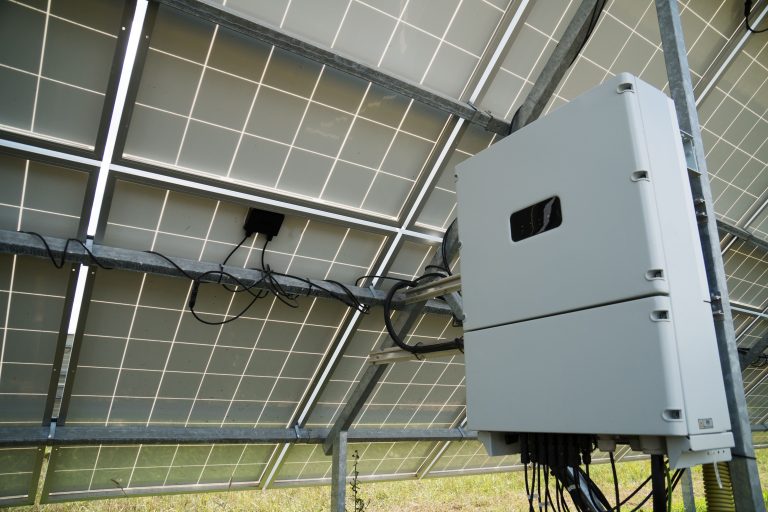
Central solar energy converter
Types of Solar Inverters
The inverter is one of the main components of solar systems, converting the energy generated by solar panels into usable electrical energy for appliances and electrical grids. Solar panels generate direct current (DC) electricity from sunlight, while most appliances and electrical grids use alternating current (AC). The inverter is responsible for converting DC electricity into AC electricity.
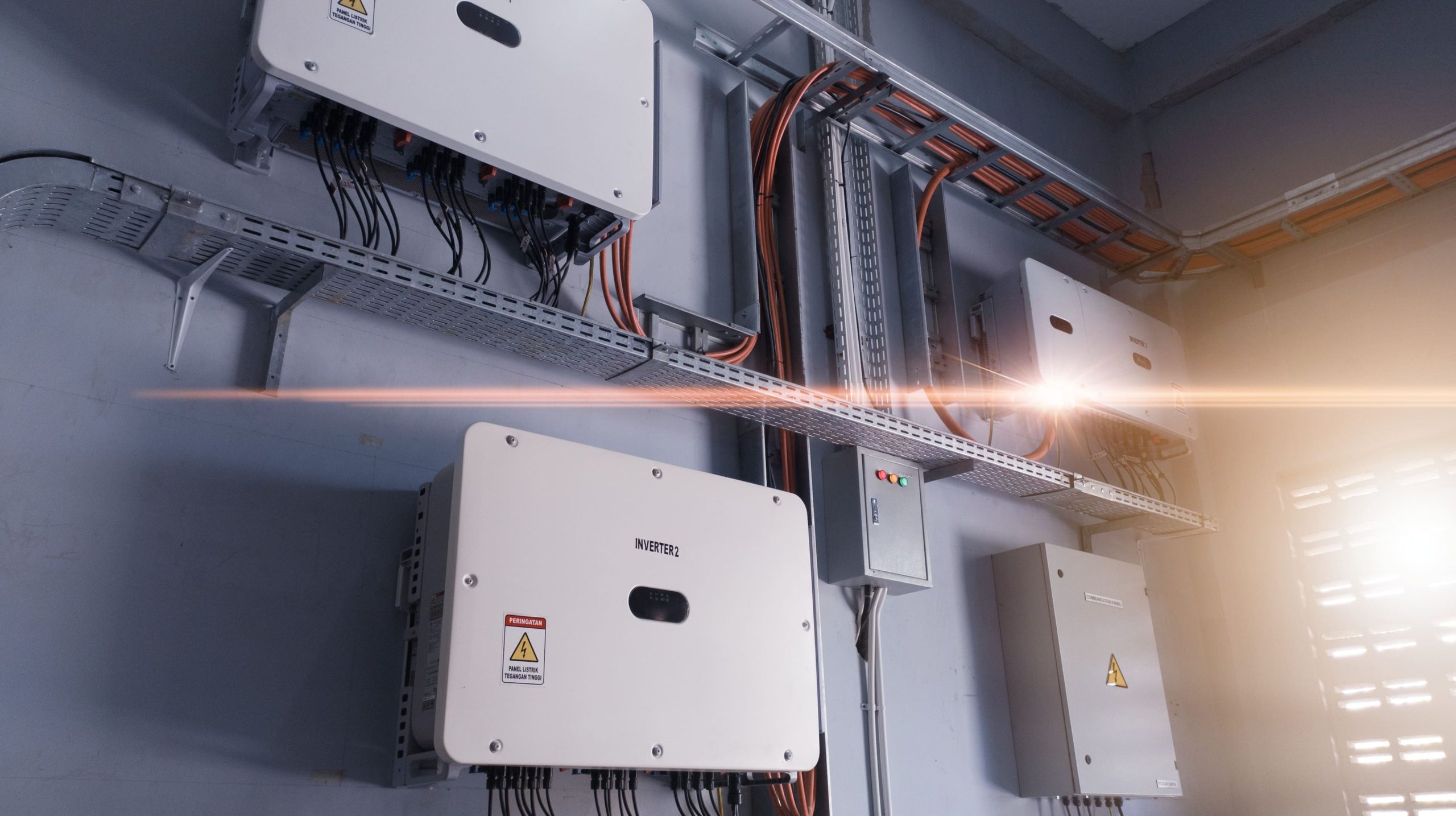
Types of Solar Inverters
Inverters come in various types, offering multiple options based on the required type and capacity, helping optimize and increase the efficiency of solar systems. They are available in several types for different applications:
These inverters connect to the electrical grid and send excess generated energy back to the grid. On-Grid systems are commonly used in areas where the power grid is stable and accessible. These inverters synchronize the voltage and frequency of their output with the grid, enabling the sale of produced electricity to utility companies.
These inverters are used in off-grid systems and are connected to batteries to store energy and use it when needed. These types of inverters are commonly used in remote locations or areas with limited access to the power grid.
A hybrid inverter combines the above two types. It can be connected to both the grid and batteries, offering the option to use solar energy, battery storage, and the grid. In hybrid systems, the priority energy source (grid, battery, or solar) can be adjusted.
These are small inverters that can be installed on each panel individually. Micro-Inverters allow each solar panel to operate independently, increasing the overall system's efficiency when some panels are shaded or performing poorly.
Key Features of Inverters
- High Conversion Efficiency: Inverters must have high conversion efficiency to maximize the amount of solar energy converted into usable electricity.
- Maximum Power Point Tracking (MPPT): Most inverters are equipped with MPPT systems, which help them operate at the maximum power point and extract the maximum possible energy from the solar panels.
- Protective Systems: Inverters should have protective systems to handle various conditions such as high voltage, overcurrent, high temperature, and short circuits.
- Remote Control and Monitoring: Many modern inverters offer remote monitoring and control through mobile apps or computers, enabling users to check the solar system’s status in real-time.
- Emergency Applications: In the event of a power outage, solar systems with inverters equipped with batteries serve as backup power sources and use the batteries to supply electricity.